Set Up a Construction Waste Log Before the First Pickup
Plan material streams, receiving facilities and pickup records before construction waste begins leaving the site.
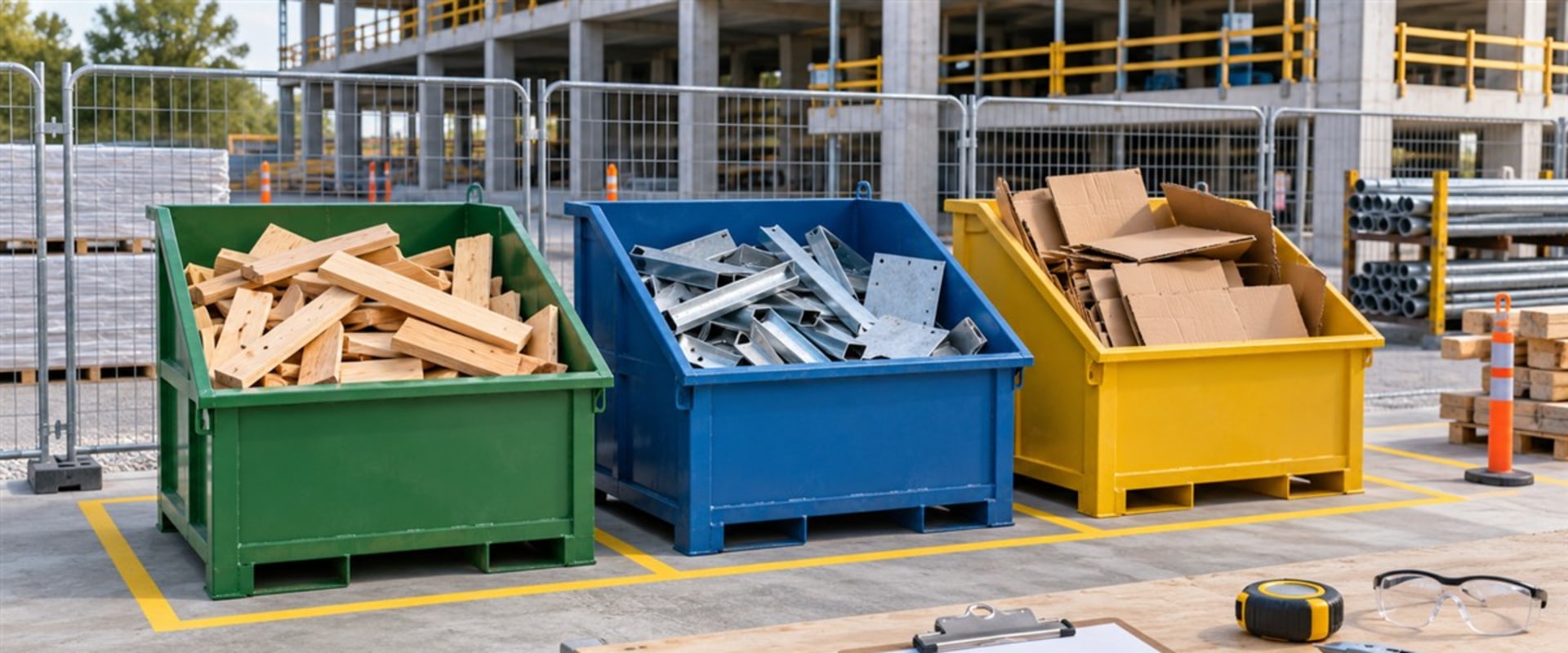
A construction waste plan becomes difficult to verify when the only record is a final hauling invoice. Set up a simple log before the first pickup so the project team can connect each load to a material stream, destination and supporting receipt.
Plan what can be prevented or reused
The EPA's construction and demolition materials guidance describes source reduction, salvage, reuse and recycling as distinct opportunities. Preventing excess material and protecting reusable items should be considered before selecting disposal containers.
During planning, identify likely material streams such as clean lumber offcuts, metal, cardboard and mixed debris. Confirm what local receiving facilities actually accept. A material's theoretical recyclability does not prove that the chosen facility will accept that particular load.
Give each pickup an identity
A useful project log can include:
- Date, project area and container or load reference.
- Material description and any known contamination.
- Hauler and receiving facility.
- Quantity, units and whether the figure is measured or estimated.
- Receipt or weight-ticket reference.
- Documented destination or processing outcome, where available.
These are suggested record fields, not a universal certification form. If the project has a contractual reporting requirement, agree on its definitions and evidence before hauling starts.
Make sorting practical on site
Coordinate container locations with deliveries, pedestrian routes and working space. Label the intended contents clearly and brief each trade before it starts generating waste. Assign someone to check for mixed or unsuitable materials before the container leaves.
Our guide to storing and organizing materials on site provides the broader logistics context. Waste collection should fit that plan rather than occupying whatever corner remains at the end of the week.
Review the evidence while it is still easy to obtain
Compare the log with receipts regularly. Follow up on missing tickets promptly, and keep estimates clearly separated from measured quantities. Do not combine tons and cubic yards into a single total without an agreed, documented conversion method.
Keep materials requiring special handling separate from an ordinary recycling assumption. The EPA guidance notes that some building materials raise environmental or health concerns; have the responsible professionals determine suitable handling before disturbance.
At closeout, report only what the records support. A load sent to a sorting facility is not, by itself, evidence that every item in it was recycled. A modest, well-supported result is more useful than an impressive percentage that the project cannot substantiate.

Ariana Horwitz
Ariana brings a wealth of knowledge and practical insights to Triangle Road. Her expertise in project management, innovative building techniques, and sustainable practices makes her a valuable resource for professionals and enthusiasts alike. Ariana's engaging writing style and dedication to sharing actionable advice help readers stay informed and succeed in their construction endeavors. Outside of her professional life, she enjoys exploring architectural history and mentoring emerging talent in the construction field.